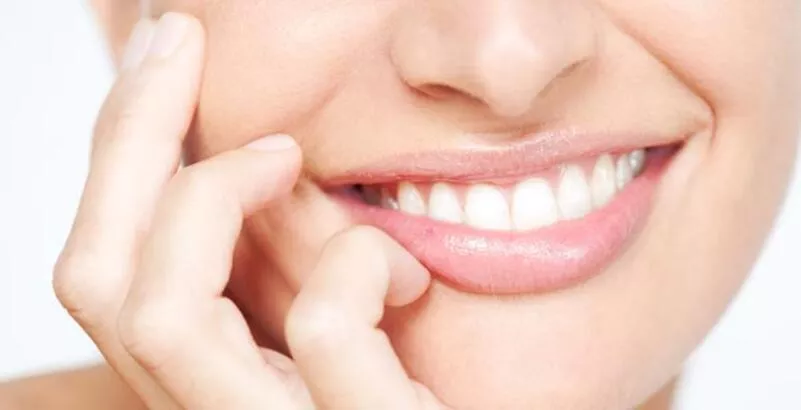
Bruxism (teeth clenching) is when the individual clenches, grinds or clenches their teeth. is a suppressed state. Individuals with bruxism (teeth grinding) are awake may unconsciously clenched their teeth or clenched their teeth during sleep or it may creak.
Sleep bruxism (teeth grinding), a movement disorder normally associated with sleep It is considered. Individuals who clench or grind their teeth during sleep, snoring and pauses in breathing, such as sleep apnea It has been observed that the probability of having disorders is higher.
Mild cases of bruxism may not require any treatment. With this, In some individuals, bruxism can cause jaw disorders, headaches, damaged teeth. and can be frequent and severe enough to cause other problems.
The individual's awareness of sleep bruxism (teeth grinding) may vary. bruxism (dental) as it will not be easy until complications develop. Knowing the signs and symptoms of grinding) and getting regular dental care It is important for the oral and dental health of the individual.
Reasons
Bruxism (Teeth Grinding) Causes?
Medical professionals do not know exactly what causes bruxism (teeth grinding). has not been determined, but a combination of genetic, physical and psychological factors They think that it is caused by the combination.
In many cases, waking bruxism (teeth grinding), anxiety, stress, anger, delusions It may be due to feelings such as frustration or tension. Besides that turn is a coping strategy in a process where the individual enters deep concentration. or it may have developed as a habit.
Sleep bruxism (teeth grinding) is associated with arousal during sleep or may occur as a result of a sleep-related chewing activity.
Several factors increase an individual's risk of developing bruxism (teeth grinding): Among these factors, stress comes first. Increased anxiety or stress on your teeth may cause it to squeak. This is because of anger and frustration. it could be. Bruxism (teeth grinding), parkinson's disease, dementia, gastroesophageal with sleep disorders such as reflux disorder, GERD, epilepsy, night terrors, sleep apnea related disorders and attention deficit/hyperactivity disorder (ADHD) may be associated with some other mental health and medical disorders.
Age is another influencing factor for bruxism (teeth grinding). Bruxism (teeth grinding) is more common in young children, but usually passes in adulthood.
Bruxism in individuals with an aggressive, competitive or hyperactive personality type (teeth grinding) has been observed to be high.
Bruxism (teeth grinding) is rare when psychiatric medications such as some antidepressants may have a side effect. Similarly, smoking, caffeinated bruxism (dental) may increase the risk of squeaking.
Sleep bruxism (teeth grinding) tends to run especially in families. Individuals with bruxism (teeth grinding) also have a family history of bruxism. is very likely.
What are the Complications that May Occur with Bruxism (Teeth Grinding)?
In most cases, bruxism (teeth grinding) does not cause serious complications. However severe bruxism (teeth grinding) requires filling or restoration of teeth necessitating damage, tension headaches and jaw or facial can cause severe pain. Temporomandibular TMJ for short. disorders that occur in the joints, that is, in the jaw joints, when the individual opens his mouth may cause a clicking sound in the ear during the closing process.
Symptoms
What are the Symptoms and Types of Bruxism (teeth grinding)?
If bruxism (teeth grinding) occurs while the individual is sleeping, sleep bruxism (teeth grinding) squeaking) occurs while the individual is awake, there are two types of awake bruxism. can be divided into different types.
Bruxism (teeth grinding) is caused by pressing the teeth together. signs and symptoms are present. Clenching signs and symptoms include at the beginning
Grinding teeth loud enough to wake the individual's sleep partner
Increasing toothache, including interlocking
Tooth sensitivity, cracked, flattened, loose or chipped teeth
Pain in the jaw, neck or face
Enamel that has eroded enough to expose the deeper layers of the tooth
Pain that feels like earache even if there is no problem in the ear
Mild headache starting at the temples
sleep disorder
Damage caused by chewing on the inside of the cheek
A locked jaw that does not open or close completely with tired or contracted jaw muscles. chin is located.
Those who have any of the symptoms listed above or who have teeth or individuals with other concerns about the jaw should consult their dentist or doctor. should apply.
Teeth grinding or other signs of Bruxism (teeth grinding) in childrenor parents who notice they have symptoms, their child's next tooth should mention this on his appointment.
Diagnostic Methods
How Is Bruxism (Teeth Clenching) Diagnosed?
Possible bruxism (clenching) during regular dental examinations, dentists It will also check for symptoms. dentist with any symptoms encounters, to see whether the process is progressing and to see if the individual is treated. on the teeth and at the next few visits to determine whether they need searches for changes in your mouth.
If the dentist diagnoses that the individual has bruxism (teeth clenching), the individual's general dental health, medications, daily routines and sleeping habits He tries to determine the reason for clenching by asking questions about.
The extent of the dentist's situation in the process of diagnosing bruxism (clenching) checks various items to evaluate. These checked items prominent teeth, such as tenderness in the jaw muscles, broken or missing teeth X-ray with abnormalities of the teeth and a trace of damage on the inside of the cheeks With the help of the help of the underlying jawbone, a trace of damage is searched. In this way a normal dental examination, temporomandibular joint disorders, other dental problems or other health problems that may cause similar jaw or ear pain. can detect defects.
Treatment Methods
How Is Bruxism (Teeth Clenching) Treated?
Bruxism (dental bruxism) in many cases, especially in young children squeezing) heals spontaneously without the need for any treatment and adults often do not grind their teeth badly enough to require therapy, or does not squeak. However, in some rare and more severe cases, for the prevention of bruxism. The underlying cause of bruxism may need to be treated.
How to Treat Bruxism (Teeth Clenching)?
The treatment process applied in severe bruxism (teeth clenching) cases is more certain medications to prevent tooth damage and relieve jaw pain or discomfort. includes dental approaches, therapies and medications. The individual or Which option is most suitable for a child affected by bruxism (clenching)?
Various approaches have been developed to alleviate bruxism (clenching) seen in the individual. might help.
Individuals whose bruxism (clenching) appears to be associated with greater sleep problems For this, the doctor may recommend a sleep medicine specialist. A sleep medicine specialist's dental will assess the squeaking events and assess the individual for sleep apnea or other sleep disorders. a test, such as a sleep study, to determine whether you have may request it.
Relating to clenching, anxiety, or other similar psychological problems appears, the physician should refer the individual to a licensed therapist or counselor. can be directed. Stress or anxiety management bruxism (clenching) It can help the individual in alleviating. Individuals who clenched their teeth due to stress can avoid the problem by learning strategies that promote relaxation, such as meditation.
When the individual discovers that he or she has bruxism (clenching) with the appropriate and correct mouth. can change the behavior of clenching and grinding by applying the jaw position. The individual goes to the dentist to learn the most suitable and correct position for his or her mouth. can apply.
In the process of dental approaches, the doctor protects or protects the teeth of the individual or his child. can suggest ways to improve. Although these methods do not reduce the wear of the teeth. bruxism itself, even if it can prevent or correct may not stop:
Prevent damage from squeezing and squeezing splints and mouth guards It is designed to keep the teeth separate from each other. hard acrylic or These tools, made of softer materials, are placed on the upper or lower teeth. they can sit.
In more severe cases, particularly tooth wear, the tooth can become sensitive or uneven. the dentist's chewing surfaces of the teeth when it causes inability to chew tooth using crowns to reshape or repair damage may need to make corrections.
Individuals who have difficulty in changing their habits, muscle activity in the jaw a method that uses monitoring procedures and equipment to teach how to control can benefit from biological feedback.
In general, in many cases, the use of medication is very effective for the treatment of bruxism. and further research is needed to determine their effectiveness. is necessary. However, for bruxism (clenching teeth) in more suitable cases Examples of drugs that can be used include primarily muscle relaxants.
In some cases, the doctor may prescribe a muscle relaxant shortly before bedtime. can offer to buy. Stress that can cause bruxism (teeth grinding) to help deal with emotional or other emotional problems may recommend the use of antidepressants or anti-anxiety drugs.
individual drugyour doctor if you have developed bruxism (clenching) as a side effect may change the dose of the drug or prescribe a different drug. However, doctoral The individual should not change the dose of a drug or use it without consulting should not leave.
Gastroesophageal reflux disease (GERD) as a cause of bruxism (clenching) If an underlying medical condition, such as bruxism, is identified, treating that condition can improve.
Lifestyle Changes And Home Care For Bruxism
Various individual care steps to be taken can prevent or prevent bruxism in the individual. can help treat the condition. For this, the individual must first reduce the stress. steps should be taken. Listening to music during the day, taking a warm bath before bed doing or exercising can help relieve bruxism (dental squeezing) can reduce the risk of development.
Avoiding stimulants in the evening may help the individual. especially in the evening avoiding caffeinated coffee or tea after a meal and bruxism (dental avoiding alcohol in the evening as it can worsen the individual's jaw can stop tightening.
The individual should strive to get regular and adequate sleep and ideally every He should go to bed at the same time at night. Good sleep habits gained this way can help reduce bruxism (clenching)
The individual should talk to the sleep partner, if any. In this way, while sleeping It is possible to report this to the dentist if there are teeth grinding or clicking sounds. it could be.
The individual should go to regular dental check-ups. Dental exams, bruxism (dental squeeze) is the best way to describe it. dentist, regular visits and bruxism (clenching teeth) in the mouth and jaw during examinations can see the symptoms.